#21: Surviving Sexual Assault with Dr. Kelsey Harper
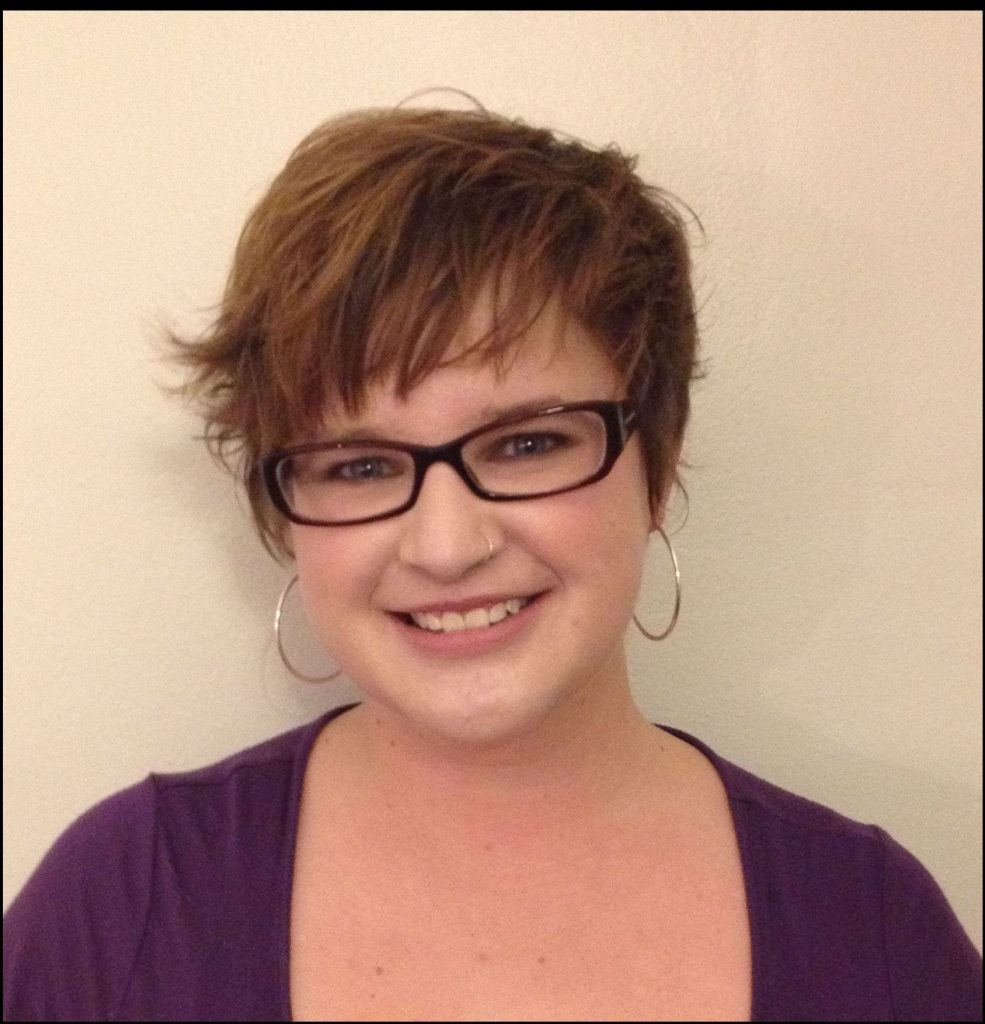
Today I’m talking with Dr. Kelsey Harper, a clinical psychologist and DBT therapist who works with trauma, PTSD, and chronic emotion dysregulation. With over a decade of work spanning varying settings and clientele, Kelsey has established a private practice in Santa Monica and observed time and again, that many clients reported extensive histories of trauma leading them to seek therapy and healing in their adult lives. With her own personal recovery as a survivor of sexual assault and experience working with the unique needs of survivors in their recovery journey, she built a new community called Warrior Reclamation to offer survivors support, connection, and skills for reclaiming their lives.
Kelsey talks about her own experience of isolation and confusion following sexual assault and how this inspired her to create a space so others don’t have to go through this alone. Listen in as we discuss DBT skills, sitting with emotions and how to survive rape culture.
Show Highlights:
- How DBT can help people feel a sense of mastery after trauma
- The idea of “maintaining survivorship”
- Dealing with flashbacks and dissociation
- There will often be more vulnerabilities in a survivor’s life
- The risks and costs to the personal psyche for survivors to do activist work
- The meaning of distress and allowing the self to move through and sit with emotions
- Sometimes people use the skills as a way of limiting exposure to emotions
- Mindfulness of Current Emotions can help with tolerating emotions
- DBT skills can create a sense of safety and security, “I know what to do.”
- Learning to “love your emotion”
- Being with your fear as it moves through you
- Looking out for survivors in the decisions we make politically
- 100% of survivors of sexual assault have experienced chronic invalidation from the culture at large for their experience
- The role of community and social justice work in healing from sexual assault
- Rape culture is an environment where violence towards women is both supported and encouraged
Links & Resources:
DBT Skills Training Handouts and Worksheets, Second Edition
SUDs (Subjective Units of Distress) scale
Would you like to ask a question and have the chance for it to be answered on the podcast? If so, please use this form. Please note that asking a question and this podcast in general is for educational purposes only and is not a substitute for individual mental health treatment.
#21: Surviving Sexual Assault with Dr. Kelsey Harper Transcript
Marielle Berg
Hello and welcome to The Skillful Podcast where we explore DBT and RO-DBT skills to help you reduce emotional suffering, improve your relationships, and become more present in your life. I’m your host, Marielle Berg, a psychotherapist at the Bay Area DBT and Couples Counseling Center.
Marielle Berg
Hello, and welcome to episode 21. Today we’re doing something a little bit different. I’m having a conversation with Dr. Kelsey Harper, a DBT therapist from Los Angeles, who has lots of experience in working with trauma survivors, particularly survivors of sexual assault. Kelsey has created an online community called Warrior Reclamation, which is a space for survivors to find support, connection and healing.
Marielle Berg
Kelsey and I talk about some of the ways DBT skills can support survivors in their healing journey and some of the ways skills might also be overused or misused, and we also talk about how to deal with triggers from the culture at large.
Marielle Berg
So welcome, Kelsey. I’m looking forward to our conversation today.
Dr. Kelsey Harper
Thank you. Thank you. I’m so happy to be here.
Marielle Berg
Why don’t you start by telling us about your project working with sexual assault survivors?
Dr. Kelsey Harper
Well, so I started this community called Warrior Reclamation. And it came actually from a very personal place that I’m a survivor of sexual assault, and had noticed during my recovery time, just feeling intense isolation, feeling very alone. And in many ways also, because of that feeling, like the path of my recovery was just, I had to carve it myself, in the sense of that, like I had, there was just nobody that had gone before me, even though I knew this is something that had happened to many people.
Dr. Kelsey Harper
And that felt very, that was very challenging, very difficult. And I think that actually made the recovery process even harder, around it, was just feeling so alone. And like I’m kind of like, you know, blindly making my way through this really, really scary forest. And so, after, after I was able to kind of get through my recovery, and it really get established in my own practice and start to learn more about trauma and trauma recovery and start to provide services, I also started to notice that many of my clients who had also experienced sexual assault, and were survivors as well, that they too felt very similarly.
Dr. Kelsey Harper
That there was this this kind of just unknown, you know, path around around trauma recovery, of not even knowing or understanding what symptoms feel really unique to survivors, you know what the kind of path or journey of recovery looks like, what it means to kind of maintain a survivorship place, and still skillfully live. And so this is something that was sitting really heavy with me, especially coming into recent things happening in our political climate, particularly with the confirmation of Brett Kavanaugh and just how that was affecting me, how it was affecting a lot of people I knew that were survivors, how it was affecting my clients.
Dr. Kelsey Harper
And that really prompted me to start to develop and build something that could actually help fill in some of these blanks and meet the needs that are really unique, specific to survivors of sexual assault. And so that’s that’s really where it came from, this very personal place, that then also is a part of me wanting to give back in many ways too.
Marielle Berg
And sounds like it was a pretty isolating experience for you. And then as you started working with folks, as a therapist, you You heard that echoed in other survivors stories.
Dr. Kelsey Harper
Yeah, definitely like many people, there’s, there’s many survivors who walk in my door who don’t really even understand what happened to them in a way that’s concrete. Like they know that something terrible happened, it really affected them, and it’s very scary, and it’s still something they struggle with. But even using the word sexual assault or rape was very difficult, and also left them feeling completely alienated. They didn’t know how to talk about it with people and how to seek support.
Dr. Kelsey Harper
And so there are a lot of survivors that come in and have really sometimes not even an idea that there is a community of people that can be supportive to them. And that can actually help them through this and kind of build a community around them in their recovery. But even even women who come in women and men who come in who know what happened to them, often feel like they cannot talk about this. That they can’t share it with people, that people don’t understand.
Dr. Kelsey Harper
And there is kinda a sense that people who are not survivors don’t understand what this is like. Which I don’t actually think is true, I do think that there is a lot of struggles, with people being able to understand and truly validate, we can see that in how they communicate about things, and how we can see, you know, rape culture getting perpetuated in many ways. And on the other side, there are many people who are not survivors who are very understanding and are very capable of being supportive.
Dr. Kelsey Harper
But it’s something that is, I think, unique to the experience of a sexual assault survivor, and also just survivors of trauma, of any trauma really, of feeling very, very isolated. And oftentimes, it has a lot to do with also difficulty with feeling safe in general, safe in the body, safe in their, their world, safe in their relationships. And so that already is very isolating too.
Marielle Berg
Absolutely. And how, you’re a DBT therapist, and this is why I wanted to talk to you, tell me, what are some of the limitations and maybe also some of the strengths that you see in how DBT approaches trauma survivors?
Dr. Kelsey Harper
Yeah, so yeah. I’m a DBT Therapist, I absolutely love Dialectical Behavioral Therapy, I think it really transformed my work with clients, and really transformed, you know, many of my clients lives as soon as I was able to provide it for them, with all of the skills that really help people transforming their lives and being able to really take charge of it, and feel a sense of mastery in their lives. And some of the limits that I noticed that came up, specifically, is when we get into the place of I refer to it as like maintaining survivorship. It’s that, you know, that trauma, especially trauma from sexual assault, is something that we can recover from, many of those active symptoms, you know, of flashbacks, and hyper vigilance and intense, intense anxiety and avoidance or dissociation, but we still are going to have some things that we have to take care of with ourselves, in order to stay very grounded and present in the world.
Dr. Kelsey Harper
And, you know, just on a day to day basis as part of ongoing self care that there’s going to be now more vulnerabilities in that, in a survivor’s life, than there were prior to it. And so sometimes I find that DBT can be a little bit limited in helping people really design a life that feels cohesive with with their values with the skills, and also with with some of those mindfulness. It’s like the principles are there. But some of the how tos of how to move fluidly between all of these things, particularly around some of the value based work, can be a little limiting.
Dr. Kelsey Harper
Like, particularly survivors have a tendency towards really wanting to work for justice, whether that’s for themselves or for others. And that kind of pulls in that Build Mastery skill and the Accumulating Positives in the Long Term. But it doesn’t necessarily draw upon, you know, what are some of the risks and costs to our own personal psyche, when we do that kind of thing, and how to, you know, maybe up the ante of the psychological self care, to then be able to mobilize and do some of those, those social justice and active type of things that survivors want to do as part of their recovery, that that is very empowering to them, or, or creates more of a sense of power, and helps them step back into their power.
Dr. Kelsey Harper
And I also think that sometimes the skills can feel like we’re having to step away from some of the quality of the experience and move more towards the quantity, you know. And that’s, part of DBT is really measuring like what are things like in a sometimes a very numerical way, of like giving a quantify, or if like, your SUDs are at a seven out of 10. So therefore you do some Self Soothing and Distraction. And that can be really powerful and helpful when that’s happening. But for many people that feels like it takes some of the meaning out of it, particularly around you know, when when distress might be a little lower, but it’s still is painful and wanting to allow yourself to kind of move through some of those emotions, and be able to sit with emotions in a way that actually helps healing happen.
Dr. Kelsey Harper
That healing from trauma requires being able to cope with certain emotions, like anger and sadness and grief and fear to kind of bubble up and be processed, and for the body to work through that. And sometimes the skills, either either people use the skills as a way of really limiting their exposure to emotion, or as a way of avoiding emotion altogether, and it can actually get in the way of the recovery. And so there are some needs also around skills of being able to like move through and allow the self to live an emotional life as part of the recovery and healing process.
Marielle Berg
And so interesting as you’re talking I’m saying, thinking about how I’ve also seen sometimes the skills used that way. Not specifically thinking about survivors of sexual assault. But in general, you know, folks, sometimes going too quickly to Opposite Action. Or the minute their SUDs, you know, subjective units of distress starts rising. And I’ll link to a chart of subjective units of distress, if folks want to check that out, going right to Distress Tolerance skills, and you’re talking about how there’s actually value and healing that can happen with being able to allow some of those emotions to really move through you, even if they don’t necessarily fit the facts of the current situation.
Dr. Kelsey Harper
Yes, exactly. You know, that, that I think our body, our minds, our hearts, like we, they all really do know how to, from a very instinctual way, how to process and have emotions, if we can kind of get out of its way, but also don’t amplify. And there is a skill for that, that Mindfulness of Emotions. Although I kind of wish that skill actually was like a whole chapter. Because I think there’s so much that we can we can learn in that, of how to be able to sit through emotions, and really keep ourselves in that like sweet spot, that zone of we’re not, we’re not cutting them off, but we’re also not going to expand them either. And allow that healing to happen.
Marielle Berg
Can you talk more either from your own personal experience, and or from working with folks, about how you actually do that? Because so much of DBT or, for people who are drawn to DBT, the, the appeal can be in part of like, you do this, then you do this, and there’s a formula that can be very reassuring and containing. And so what you’re talking about is a bit more loose, in like, Just be mindful of your current emotion. And when the emotion is really strong, or there’s grief or fear, maybe you can give a listener some some ideas on how to actually do that.
Dr. Kelsey Harper
Yeah, I think I think that’s so powerful. I agree, I that’s one of the things that I love about DBT. And I think many people do, is that it creates that sense of safety and security of like I know what to do. And that’s so powerful for survivors of well, as well. You know, to be able to feel like I know what to do. So when I think about being able to sit with an emotion and Mindfulness of Emotions. There’s a couple of things, like some of the examples on the handout that are really good, that I think are very powerful and grounding, is first to really notice body sensations. In a very descriptive way, very non judgmental, without assuming, you know, just describing what the body sensations are.
Dr. Kelsey Harper
And that can also include things like if your body, body or body parts, have certain urges to take action. Like you might notice like a sensation feels like my legs want to run or they want to tense up or my fists really want to curl, even though I’m holding them open. And noticing that and being able to describe that out loud. And there’s also a lot of breath work that’s important too. And this is helping keep the physiological system really calm and relaxed, while the emotions flowing, is to kind of keep the breath long and slow.
Dr. Kelsey Harper
The other is, you know, incorporating a lot of acceptance, you know. And the Mindfulness of Emotions talks a little bit about this, with the idea of quote, unquote, learning to love your emotion. And I find that many people find that to be extremely difficult to do. And that’s one where I feel like there could actually be so many handouts on how to love an emotion, especially ones that are painful, you know. But with, with bringing in some acceptance, we can come up with acceptance and dialectical statements that we can say to ourselves, in the moment, that emotions are happening, you know, that I’m accepting that this is happening. Like say if it was intense fear, you know, I’m here, I’m afraid, I’m safe and grounded, I’m accepting that fear is here, I can feel it in my body, I accept that fear will come. This is a natural part of, of being a human.
Dr. Kelsey Harper
And also saying, like, I also understand that fear is a messenger. And what is fear telling you right now, you know? And in many ways, like part of loving the emotion can be about going back to when fear has been helpful. Fear has told me things in the past that have been really important. And I know in the future fear is actually going to operate in a way to keep me safe. And so I’m going to sit here with my partner, and my partner’s fear, you know, in this moment and allow fear to tell me what it needs to say. I’m also going to allow it to pass and I’m going to be present in my body as I do that. And that can be really, really powerful for staying with the emotion and hanging with it.
Marielle Berg
It’s really beautiful the way you describe it.
Dr. Kelsey Harper
Thanks, yeah.
Marielle Berg
And I think of, what a lovely kind of expansion or addition to some of the DBT skills that we both really believe in fully and teach to the folks that we work with. This is why you’ve started the work you have with Warrior Reclamation.
Dr. Kelsey Harper
Mhm.
Marielle Berg
Because you’re wanting to offer something more and to expand on some of the DBT skills.
Dr. Kelsey Harper
Yeah, absolutely. I think you know, also people who there are many people who come to DBT, from a different direction, like they come from, you know, chronic emotion dysregulation, feeling like relationships are not working for them, and just feeling like their emotions have taken control, and through that process, we find out that trauma has occurred in their past. And then there’s times also where people maybe don’t come to DBT at all, because they don’t have these, these things that have happened in their life, that people traditionally would refer them to DBT for. And, but trauma has happened. And so they don’t actually seek out some of these skills based interventions, that can actually be really helpful.
Dr. Kelsey Harper
And so that’s also part of it, is creating more access. So there are a lot of people that are not getting therapy, or are getting different kinds of therapy that don’t necessarily involve so much skill based training or coaching. And so they’re, they’re able to maybe process some of the trauma, but then they kind of get left with this, well, what now, like what am I supposed to do to keep living my life? I have all these emotions, I have all these experiences. And it gets missed in many ways.
Dr. Kelsey Harper
And in fact, we actually, you know, just anecdotally, my experience has been is many people who actually maybe would qualify more for PTSD, are being told that they have like depression, or generalized anxiety, or just mood instability in general, and aren’t actually getting trauma treatment at all, which means they’re not getting any of the work that helps them heal from the trauma, they’re also not getting any any kind of skill, for how to cope with symptoms of trauma that come up that can that increase anxiety, that can lead to depression, that kind of thing.
Dr. Kelsey Harper
And so part of part of my work was really about creating access. Of like making sure people know, you know that you’re a survivor of sexual assault, there’s so much out here that can help you and we’re here, we’re ready, we’re waiting, you know, and you’re welcome at any time that you want to come and do take this journey. And that, that was a huge part of it was feeling like people really need to know that there are services for them. And that was something I was seeing on on one of the Facebook support groups that I’m a part of, was how many people had no idea that there were specific treatments made for trauma recovery, made for, you know, mood stabilizing, with with emotional regulation, that there were even skills that they could do, that would help them be able to live day to day.
Dr. Kelsey Harper
So and DBT was a huge part of that for me, of being able to really regulate my day to day emotions and my experiences and create a sense of safety and being able to offer that to other clients as well. So a huge part of Warrior Reclamation was really, like, let’s just get the word out that this exists for people so that they can they can start their healing journey and start to come back to themselves.
Dr. Kelsey Harper
And then the other part was, is a bit of a social justice goal, and a sense of feeling that the world in general, or at least the world around me, in general, from what I’m hearing really doesn’t understand, or doesn’t seem to have enough information about what trauma is what PTSD looks like, it can look very, very different depending upon everybody’s individual experiences and individual constitution and makeup, and particularly what, what survivors of sexual assault experience and how that really affects them out in the world, and why certain things are really, really important. That there are people I think that genuinely don’t know, and therefore end up doing something like minimizing the impact that certain decisions can that are made, you know, either by a judge or a court system, by our politicians, and minimizing the effect that it will have on our population of survivors.
Dr. Kelsey Harper
And given the statistics are like one in three women have been sexually assaulted in their lives. One in four women have have survived rape, I actually believe the stats are probably a lot higher than that. But that still is is astronomical numbers of people who are affected by sexual assault and rape that are therefore going to be impacted by decisions made out in the public. So for me there is also this this idea of really needing to educate the masses, in a sense, of that this is a big deal. This needs attention. And we, as a as a community, as a greater community can be much more, much more nurturing to people who are survivors and, and really look out for each other in that way with the decisions that we make, politically the decisions that we make, you know, in, in our government, with our judges, with with any of these big decisions that are happening with how our states are handling sexual assault cases, with ending the backlog, why these things are so, so important. And not just a big massive level, but also on an individual level for each individual survivor.
Marielle Berg
You had said earlier about how the Brett Kavanaugh hearings really were, I don’t think you used the word triggering, but I’ll use that word, or let’s say evocative and kind of lit a fire under you to to do something different and to do something outside of the therapy room. Can you say more about what that experience was like watching those hearings?
Dr. Kelsey Harper
Oh, yeah. Oh, man, it was just I think it was simultaneously mind boggling and mind blowing, you know? Because of the effect that these hearings had on all of the people observing this, you know? And that, for me, like I was, I was seeing like this rising up of a lot of survivors, you know, running into support Dr. Blasey Ford, which I thought was amazing and wonderful. And I think all of us really identified with her, of this person who never asked for this whatsoever, not any part of it, and yet was doing what she thought was the right thing, and what other people were telling her was the right thing, in order to speak for the greater good and putting herself at huge, huge, huge risk to do so.
Dr. Kelsey Harper
And then on the other side of that were these masses of people coming out, essentially, with all these varying different arguments about why it’s okay to rape people. And that that was like, I just can’t wrap my mind around that communication. Of that, either. It’s okay, because you’re young, or it’s okay, because, you know, it’s not that big of a deal, or it’s okay, because it’s so common, or, you know. And then of course, there’s the classic of like, well, it doesn’t really happen anyway, it’s just the complete denial of it, you know. Or that somebody should be able to hold the most powerful seat that our country has, even though these things have happened in their background, that that doesn’t disqualify them from making decisions about, you know, our world, our government, our policies, our Constitution, and how it’s going to be enacted. And in particular, that includes governing women’s bodies.
Dr. Kelsey Harper
And so there was a part of that there is a lot of that fire that comes from, I think, some very righteous rage of you know, we have, we have a tiger in our midst right now. And everybody’s acting like a tiger is not here. And we need to point that out. And we need to get the tiger out of here. You know, there’s a predator in our midst, and we need to neutralize that threat. And then we have all these people being like, it’s not a predator, it’s not a predator, or it’s okay to hang out with predators. And that’s so scary, and so concerning.
Marielle Berg
I think about how in our DBT groups, you probably do this too. We talk about at the beginning of every module, the biosocial theory, and we talk about chronic invalidation.
Dr. Kelsey Harper
Oh yeah.
Marielle Berg
And so as you’re discussing this, I’m thinking this is continual invalidation of survivors experience, saying it didn’t happen, or it’s okay, or don’t make such a big deal out of it.
Dr. Kelsey Harper
Huge, huge invalidation. And many survivors like this was by far not the first time that they’ve ever heard somebody say that to them. Or say that to you know, their peer group about this. And so most survivors, I would say probably 100% of survivors have experienced chronic and traumatic invalidation around sexual assault. And at times really reaching that level of gaslighting that can be super, super damaging too. And that was something that we just saw really bubble up with Brett Kavanaugh and his hearings.
Dr. Kelsey Harper
And I think one of the things that really sat with me is is that like one of the only things that have been really supporting me or making me feel motivated through a lot of these things that have been happening in the political climate, including Brett Kavanaugh being one of many of those things, has been that this is telling us where the work needs to be done. That we’re pulling up all of the all of the stuff that still needs to change or still needs to be repaired or still needs to actually be pushed out. Things that we need to actually take action about, that we may may have gotten complacent or we may have pushed down towards towards people who are even more disempowered to make them just handle it and keep out of the public eye, that this is all coming up now. It’s something that’s just being more and more revealed.
Dr. Kelsey Harper
And so that really for me launched into so therefore I need to do something, you know? That if this is coming up and the message to me is this is showing is where we need to change and what we need to be a part of moving, then I need to make a movement here. And that was part of what launched me then with trying this Warrior Reclamation was really about wanting to launch a movement or wanting to launch a community that can work towards creating a space that is safe for everybody. And does not do this, this traumatic invalidation dramatic gaslighting. It is nurturing and holding of survivors, of trauma survivors, of sexual assault survivors, of rape, and that we have a community that is continuing to work towards really equality and justice, overall, in general too.
Marielle Berg
And that the the impact you can have in the therapy room one on one, or even with groups is it’s limited. It’s not to say that it isn’t powerful and transformative for the individuals, but you’re trying to reach more people.
Dr. Kelsey Harper
Yeah, exactly. I think, yeah, the one on one interventions, they’re very powerful. And they’re just very different in the sense that you can, with the one on one interventions, there’s a lot of intensive work that can change the world for this one person. And that’s, that’s invaluable, in many ways. And I do feel very grateful to be a part of that, and very honored to be a part of people’s healing journeys, you know. And then there’s this other kind of work, the social justice work, the community building work, that’s that that’s going to intervene in a very different way, in the sense of creating a community, creating an environment that is much more effective, much more validating, much more nurturing, much more safe for people. And ideally, and maybe this is a pie in the sky kind of dream here, would be that we create a community where rape actually stops happening, you know? The goal is so that it never happens again, you know, that this is something that is done.
Marielle Berg
I love that pie in the sky, I’m all for it. Let’s make that a reality.
Dr. Kelsey Harper
Yeah, and I think it’s interesting. So we have a lot of people who are work towards like, let’s, you know, recovery from from, from traumatic things, but not necessarily towards any traumatic things. And I think that has to be a part of it. And the one on one work usually is the recovery from traumatic things. And that’s important and invaluable. And then the community work is about continuing that recovery, but also really pushing for we need to end the traumatic things.
Marielle Berg
Yeah.
Dr. Kelsey Harper
We need to end rape. It just has to happen.
Marielle Berg
And you recently did a webinar on rape culture, and I’m wondering if you can talk a little bit about that and describe what rape culture means for maybe for listeners who might be unfamiliar with that term?
Dr. Kelsey Harper
Yeah, absolutely. Yes, I just did this webinar on rape culture and social media, and some ideas on how to cope with that in a way that keeps us still active and mobilized in a community. And rape culture is an environment that is, is reinforcing to sexual assault, violence towards women, and gender based violence as well and creates an environment essentially where that is not just permitted, but in some ways encouraged. And a lot of people try to step away from saying that rape culture encourages rape. But what we see is that it actually does. Like some of the communications that come out is not just saying like eh, okay, we prefer didn’t happen, some of the communications coming out and saying, like, yeah, this should happen, this is a part of life. And so rape culture is very dangerous in that way.
Dr. Kelsey Harper
And it is that communication, whether directly or passively, that it’s okay for people to be in danger of rape. That this is not a problem that we need to solve, you know, that this is just part of life. And we can see it in these very overt ways where you see some of the communication around like the Brett Kavanaugh hearings, where they were just like, well, it’s kind of okay, that he did that. You know? That I think that was one of the weird awakenings that happened was when there were so many politicians coming out and actually speaking, that it really wasn’t that bad. And that was super concerning, and that’s an overt rape culture message. It’s not, it’s not that bad. It’s not a problem. It’s okay, that this happens.
Dr. Kelsey Harper
And then the other side is the more covert kind of things that happen, that perpetuate this culture around objectifying and victimizing men and women in a sexual way. And that can be seen, sometimes even just in how some of our online dating sites or our dating apps are laid out, like this swipe right and swipe left. You know, we’ve gotten so used to it that it just feels you know, natural now that this is how we how we find a mate, although I’m guessing it’s not the most effective way. But but it actually also is reinforcing to this idea. We’re very objectifying of people. We’re essentially saying like I want this, I don’t want that without actually like getting invested in this person as a human. And that’s kind of a covert rape culture message.
Dr. Kelsey Harper
And then some other things that, you know, it’s like on Instagram, for example, women understand some of the rules about what they’re allowed to post about their bodies, and what they’re not allowed to post about their bodies. Some of them are very, you know, very clear basic rules that that are imposed that are very sexist in their nature. But other times, there’s, there’s things like women are not allowed to post a picture about their bodies when they feel confident about it, but they have to post, if they do, they have to talk about something else that’s happening in the picture. And then the comment section will be a lot of people attacking, her assuming things about her sexuality, making sexual comments to her, making violent threats, all of these things. And really she’s just like smiling in front of a bouquet of flowers. And that’s what rape culture looks like. It’s very harmful, it really communicates to women, that we live in an extremely dangerous world. And it communicates to men that it’s okay for the world to be dangerous, that it’s okay for them to do dangerous things.
Dr. Kelsey Harper
And so some of the skills that I talked about, I kind of came up with these three main themes of skill sets that I think are very valuable for helping get through rape culture, as we experience it in social media. When we’re reading the comment section of certain things when somebody posts you know, some article. I think one of my earliest experiences of rape culture was when Cosmopolitan magazine published an article about sexual assault, and then in the article put, like this little special kind of discussion about what they called Gray Area Rape. And it was essentially saying like when, you know, when is rape not rape, and when women are falsely accusing men, which is very rape culture-y.
Dr. Kelsey Harper
You know, it’s saying that women falsely accuse men of rape all the time, and we need to be suspicious of this. This is wildly not true, wildly inaccurate, like this is the numbers and the statistics of false accusations of rape, are even lower than false accusations of other crimes. So we know categorically this is not true. But people continue to perpetuate that narrative that this is something that happens. And really all it is, is it’s a mechanism for us to continue to not believe survivors of sexual assault when they come forward.
Marielle Berg
Wow.
Marielle Berg
Yeah, it’s a way of silencing.
Dr. Kelsey Harper
Yeah, very much so. And so I, the skills that I came up with, were these, these main sets, were, and they relate directly to some DBT skills too, you know, other types of modalities and those skills too.
Dr. Kelsey Harper
And the first being centeredness, of finding a center. This is like similar to mindfulness of having to get grounded, being able to be in the space that you’re in, being able to feel yourself, pull everything back. Many times when survivors experience, you know, traumatic invalidation, or gaslighting, they dissociate, as many people do as well as survivors. And so getting back grounded is really key and important. Being able to recognize where you are what’s going on in your body, so that you can act effectively.
Dr. Kelsey Harper
And then the next thing is, is to move into how to take care of yourself and self care. And I break that down into two pieces, which is balancing vulnerabilities, like in DBT, where it’s looking at like, do I have to eat something, do I have to sleep, do, am I tired? Do I feel like I really need to just actually take care of myself by myself right now, and focus on that, versus being able to push for change, which is when we can kind of mobilize and get active and things, you know? So in a sense, it’s looking at once we get centered, we can look at what are the needs here? Do I have needs that need to be attended to first? Or can I launch into some sort of action, and I talk about what the signs of those are.
Dr. Kelsey Harper
And then the third set of skills is about building and connecting to community. That is really, really key, especially when invalidation and gaslighting happen, that we can connect to those validating individuals. Because those are the ones that remind us of the truth and the reality of situations, help us stay centered and grounded, help us not feel so alone, and actually help us stay regulated. Validation is one of the most powerful skills for staying regulated.
Dr. Kelsey Harper
And so being able to connect to community helps us get that validating experience, but it also helps amplify much of our power in mobilizing and taking action. And many times when we feel gaslighted or invalidated about these topics, we do feel an urge to speak out. That’s a very natural thing to feel. There’s an injustice occurring, we need to respond back. And it’s about how to do that in a way that still is taking care of you. And maybe can even amplify that message a little further. So that’s what I cover in that webinar. And that was that occurred I think about two weeks ago. And so I have a link that I send out to people when they request it from me. And when they join my newsletter.
Marielle Berg
I guess, I don’t know if you have got to this point, Kelsey, in your work and, I guess I want to know that, can people do individual coaching or like what, like what your other offerings are?
Dr. Kelsey Harper
Yeah.
Dr. Kelsey Harper
So with Warrior Reclamation, right now, it’s just a community, I send out newsletters every week, you know, usually, once or twice a week, I do a webinar that’s free, that people can be a part of where I talk about some of these topics and these skills. I do have another webinar coming up in November, that’s going to be about internalized gaslighting, and intuition. And I’m doing it with a good colleague, Abby Thompson, who’s like, who does a lot of good work with intuition and building intuition skills. And that’s, that’s where things are right now.
Dr. Kelsey Harper
I do offer group based coaching. And it’s something that’s accessible to people virtually as well, that we would do video conferencing, you know, joining a social networking site, that’s just for survivors that are a part of the coaching group so that they can connect with each other, discuss the different skills, and all of that. I have two offer specifically for survivors, and then I have another offer of group coaching for mental health professionals that also that work with survivors. Because if we believe the statistics to truly be one in three, as opposed to maybe higher than that, but even if it is higher than that, we know that there are therapists and mental health professionals that are also survivors and wanting to reach out to them, and also give them a lot of skills on how to take care of themselves while they do this very important work with survivors.
Marielle Berg
That’s great. I don’t think I was aware of that portion of your work and how useful that is. Because so many therapists just are survivors themselves, just given the numbers, of course, that would be the case. And so how to take care of yourself, while you’re doing this deep healing work with others, it’s so valuable.
Dr. Kelsey Harper
Yeah, it’s something you know, we see with other professionals, there can be what we call vicarious trauma, which is, you know, getting burnt out and feeling like taking on a lot of the, like secondary traumatic experiences or traumatic symptoms of their clients. But we also have therapists that are survivors of sexual assault, survivors of trauma themselves. And that can kind of compound it in a very complex way.
Dr. Kelsey Harper
And many of these, these therapists, you know, as any mental health professional, you know, I assume, I believe one of the assumptions I hold is that we’re all here because we really want to help people, and that we really do find a lot of meaning in providing service to others and providing this healing work. And it can be really, really disheartening to get to a place where it feels like that work can actually be threatening or harmful. And so the group coaching is about how to set up self care around a lot of that in a in a very deep way that’s specific to the needs of people who are survivors of trauma and providing services to survivors of trauma.
Marielle Berg
Thank you so much for talking with me today. Kelsey, and can you say the name of your website and where people can find you on social media?